In the contemporary landscape of home design, the balance between style and functionality has never been more important. As our living spaces evolve, understanding how to create rooms that not only look appealing but also serve practical purposes is crucial. Each room in a home has a distinct role, contributing to the overall experience of its inhabitants. This article examines essential rooms in residential design, focusing on how thoughtful design choices can enhance both aesthetics and functionality.
The Living Room: A Hub for Interaction
The living room stands as a central hub within the home, where family members and friends gather to relax and connect. This space should embody comfort and warmth, creating an inviting atmosphere for social interactions. A well-designed living room typically features comfortable seating arrangements, such as sofas and armchairs, and is often adorned with decorative elements that reflect the homeowner’s personal style.
To achieve a harmonious living room, consider the flow of the space. Open layouts can enhance interaction, allowing for seamless movement between the living room, dining area, and kitchen. Choosing a cohesive color palette can also tie the various elements of the room together, while incorporating personal touches, such as artwork and family photographs, adds character and warmth. Proper lighting, including natural light and soft ambient fixtures, is essential for creating a cozy atmosphere, setting the perfect tone for both quiet evenings and lively gatherings.
The Kitchen: Where Function Meets Creativity
The kitchen is often described as the heart of the home, serving as a multifunctional space for cooking, dining, and socializing. A well-designed kitchen should prioritize efficiency and organization, making it easy for homeowners to prepare meals and entertain guests. Key features include ample counter space, high-quality appliances, and sufficient storage options, such as cabinets and drawers.
In recent years, open-concept kitchens have become increasingly popular, merging cooking spaces with dining and living areas. This design fosters interaction, allowing the cook to engage with family and friends while preparing meals. Incorporating an island or breakfast bar can provide additional seating and act as a focal point for social gatherings. Thoughtful color choices and materials can elevate the kitchen’s design, transforming it into a beautiful and functional space that reflects the homeowner’s taste.
The Bedroom: A Retreat for Rest
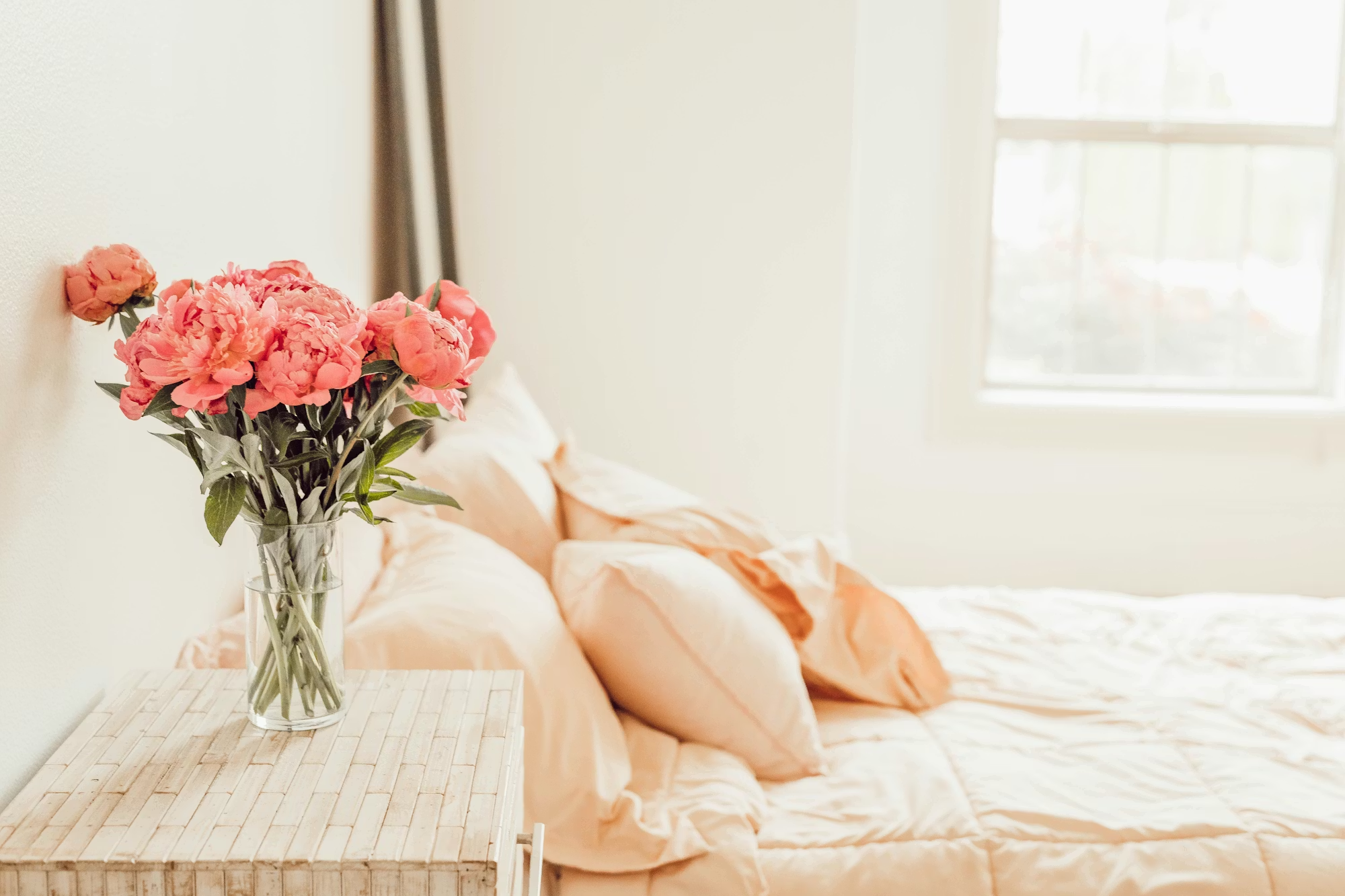
The bedroom should be a personal retreat, designed to promote relaxation and restful sleep. A well-furnished bedroom typically includes a comfortable bed, nightstands, and storage options such as dressers or wardrobes. The design should reflect the occupant’s preferences, creating a serene environment that encourages unwinding at the end of the day.
Incorporating calming colors, soft textiles, and personalized decor can transform a simple bedroom into a sanctuary. Layered lighting options, such as bedside lamps and adjustable overhead lights, are essential for creating a cozy ambiance. Additionally, including elements like plants or natural materials can enhance the room’s tranquility, making it a perfect place to recharge.
The Bathroom: A Space for Self-Care
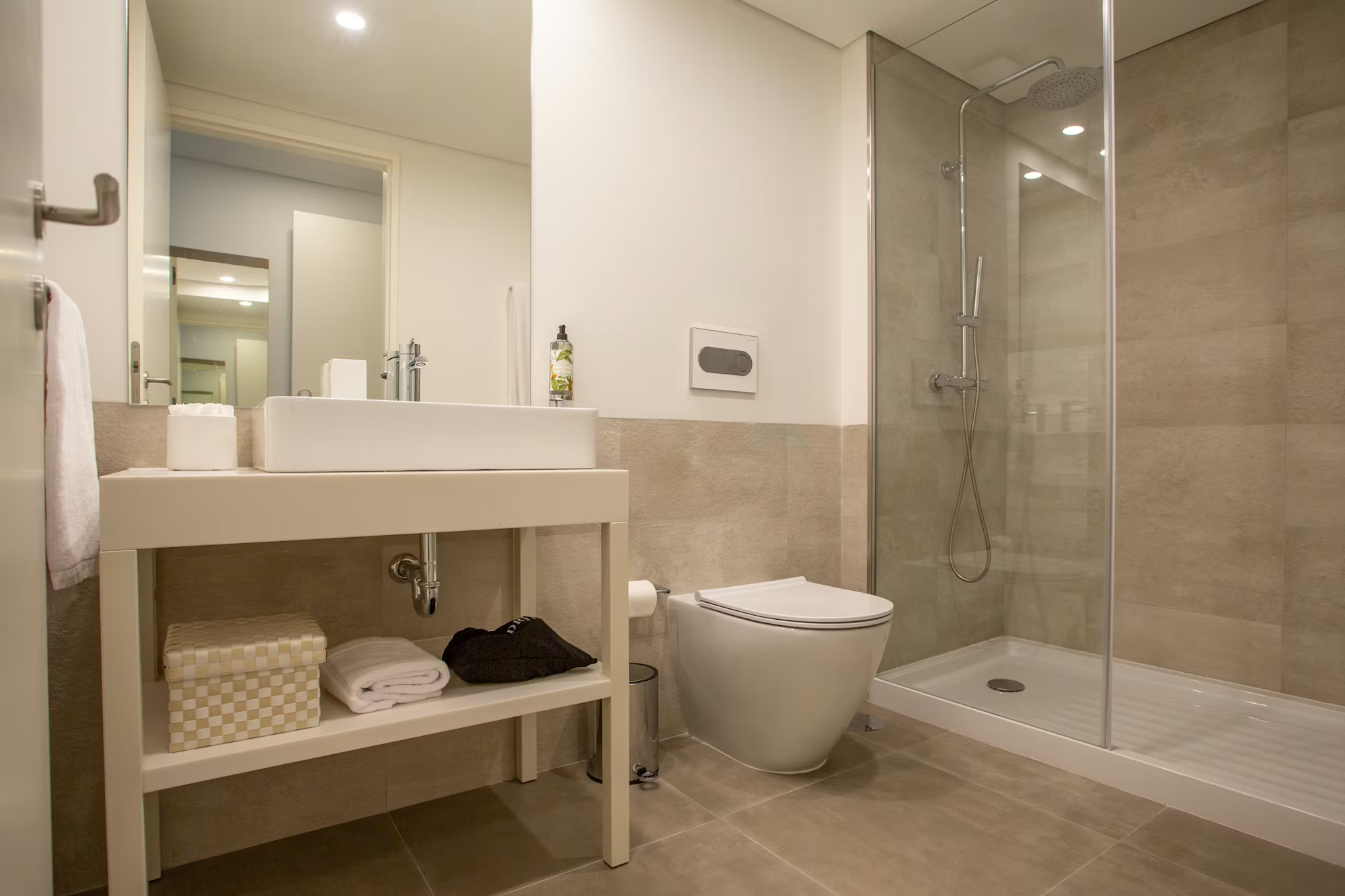
Bathrooms are essential spaces that serve as private areas for personal care and reflection. A well-designed bathroom should blend functionality with aesthetics, featuring necessary fixtures like a shower, bathtub, sink, and toilet. Thoughtful storage solutions for toiletries and towels can help maintain an organized and inviting space.
Modern bathrooms often embrace a spa-like aesthetic, incorporating luxurious materials and features such as rainfall showers and freestanding tubs. Choosing a cohesive color palette and high-quality finishes can elevate the bathroom’s design, transforming it into a personal oasis. Proper lighting, both natural and artificial, is crucial for creating a soothing atmosphere that enhances the self-care experience.
The Dining Room: Celebrating Togetherness
The dining room is a dedicated space for enjoying meals and fostering connections. This room should be designed to facilitate conversation and togetherness, typically featuring a dining table and comfortable chairs. The layout should accommodate various group sizes, ensuring it is versatile enough for intimate family dinners and larger celebrations alike.
Creating an inviting dining environment can be achieved through decorative elements such as table settings, centerpieces, and wall art. Thoughtful lighting choices, including statement fixtures or dimmable options, can enhance the dining experience, adding warmth and elegance. By reflecting personal style through decor, the dining room can become a cherished space for family traditions and gatherings.
The Home Office: Crafting a Productive Environment
As remote work continues to shape modern lifestyles, the need for a dedicated home office has become increasingly evident. This space should be designed to maximize productivity, featuring a desk, comfortable chair, and organized storage for office supplies. A well-planned home office can foster focus and creativity, providing a peaceful environment away from household distractions.
Incorporating ergonomic furniture and efficient layouts can significantly enhance the functionality of the workspace. Adding personal touches, such as inspirational quotes, plants, or artwork, can create a motivating atmosphere that encourages productivity. Adequate lighting, including both task lighting and natural light, is essential for a conducive work environment, helping to minimize eye strain and promote concentration.
The Playroom: Encouraging Imagination
A playroom is a designated area for children’s activities, offering a safe and stimulating environment for creative play. This room should prioritize safety and flexibility, featuring durable furnishings and ample storage for toys and games. An open layout allows for various play activities, while organized storage solutions help maintain a tidy space.
Designing a playroom with bright colors and playful themes can inspire creativity and exploration. Providing distinct zones for different types of play—such as reading corners, art stations, and active play areas—can enhance the room’s versatility. By creating an engaging environment, parents can foster their children’s growth and development through imaginative play.
The Guest Room: Making Visitors Feel Welcome
A guest room should offer a comfortable and inviting space for visitors, typically furnished with a bed, bedside tables, and storage for personal items. The design should focus on creating a welcoming atmosphere, allowing guests to feel at home during their stay. Personal touches, such as fresh linens, thoughtful amenities, and decorative accents, can enhance the guest experience.
Ensuring that the guest room is versatile enough to accommodate various guests can make it a valuable asset in a home. Including elements like a small desk or seating area, as well as easy access to bathroom facilities, can further elevate the comfort of the space. By providing a warm and inviting environment, hosts can create memorable experiences for their guests.
The Mudroom: Practicality Meets Style
The mudroom serves as a transitional space between the outdoors and indoors, providing essential storage for outerwear, shoes, and accessories. This area should be designed for functionality, incorporating hooks, benches, and organized storage solutions that facilitate an efficient entryway. A well-designed mudroom can help maintain cleanliness in the home while providing a convenient space for everyday items.
Creating a welcoming atmosphere in the mudroom can set a positive tone for the home. Thoughtful design elements, such as natural light, decorative features, and cohesive color schemes, can enhance the space’s appeal. By ensuring that the mudroom is both practical and aesthetically pleasing, homeowners can create a functional entryway that reflects their style and values.
The Sunroom: Embracing Nature Indoors
A sunroom is an enclosed space designed to maximize natural light, offering a relaxing area where homeowners can enjoy the beauty of the outdoors while remaining sheltered. This room can be furnished with comfortable seating and decor that complements the natural surroundings, creating a cherished retreat within the home. Incorporating plants and natural elements can enhance the tranquility of a sunroom, promoting relaxation and connection with nature.
Whether used for reading, entertaining, or simply unwinding, a well-designed sunroom can add significant value to a home. By creating a space that fosters a connection with the outdoors, homeowners can enjoy the benefits of nature from the comfort of their own living spaces.
Conclusion
The design of each room in a home plays a vital role in enhancing functionality, comfort, and aesthetic appeal. From the inviting living room to the serene bedroom, understanding how to create harmony within these spaces is essential for modern living. By focusing on the unique features and potential of each room, homeowners can craft environments that not only meet practical needs but also foster connection, creativity, and a sense of belonging. In an ever-evolving world, the thoughtful design of residential spaces remains crucial in creating homes that resonate with their occupants.