Designing a home is a multifaceted journey that balances personal style with practical needs. Each room serves a unique purpose and plays a significant role in shaping the overall ambiance of your living space. From the living room to the sunroom, understanding how to effectively design these areas can enhance your daily life and create a harmonious environment. In this article, we will explore how to thoughtfully design each room in your home, focusing on both functionality and aesthetic appeal.
Living Room: The Central Hub
The living room is often regarded as the heart of the home, serving as a gathering place for family and friends. When designing this space, consider how it will be used most frequently. A well-thought-out layout promotes interaction and comfort. Begin with a focal point, such as a fireplace or a large window, around which seating can be arranged. Sofas, armchairs, and ottomans should be chosen for comfort, inviting occupants to relax and socialize.
Colors and textures are crucial in setting the atmosphere of the living room. Warm, inviting tones can create a cozy environment, while brighter colors may energize the space. Layering textures through rugs, throw pillows, and blankets can add depth and interest. Lighting is equally important; a combination of overhead lights, floor lamps, and table lamps can provide versatility for different activities, whether it’s watching a movie or enjoying a quiet evening with a book.
Kitchen: Culinary Creativity and Comfort
Often dubbed the heart of the home, the kitchen is where culinary creativity unfolds. An effective kitchen design prioritizes both functionality and style. Consider an open layout that facilitates interaction, allowing family members to engage while meals are being prepared. An island can serve as a central workspace, doubling as a casual dining area for quick meals or conversations.
Quality appliances and smart storage solutions are essential in any kitchen. Cabinets should be designed for easy access, and countertops should be both durable and visually appealing. Materials such as granite or quartz not only add elegance but are also practical for everyday use. Lighting in the kitchen should include both task lighting for cooking areas and ambient lighting for a welcoming atmosphere.
Bedroom: A Sanctuary for Rest
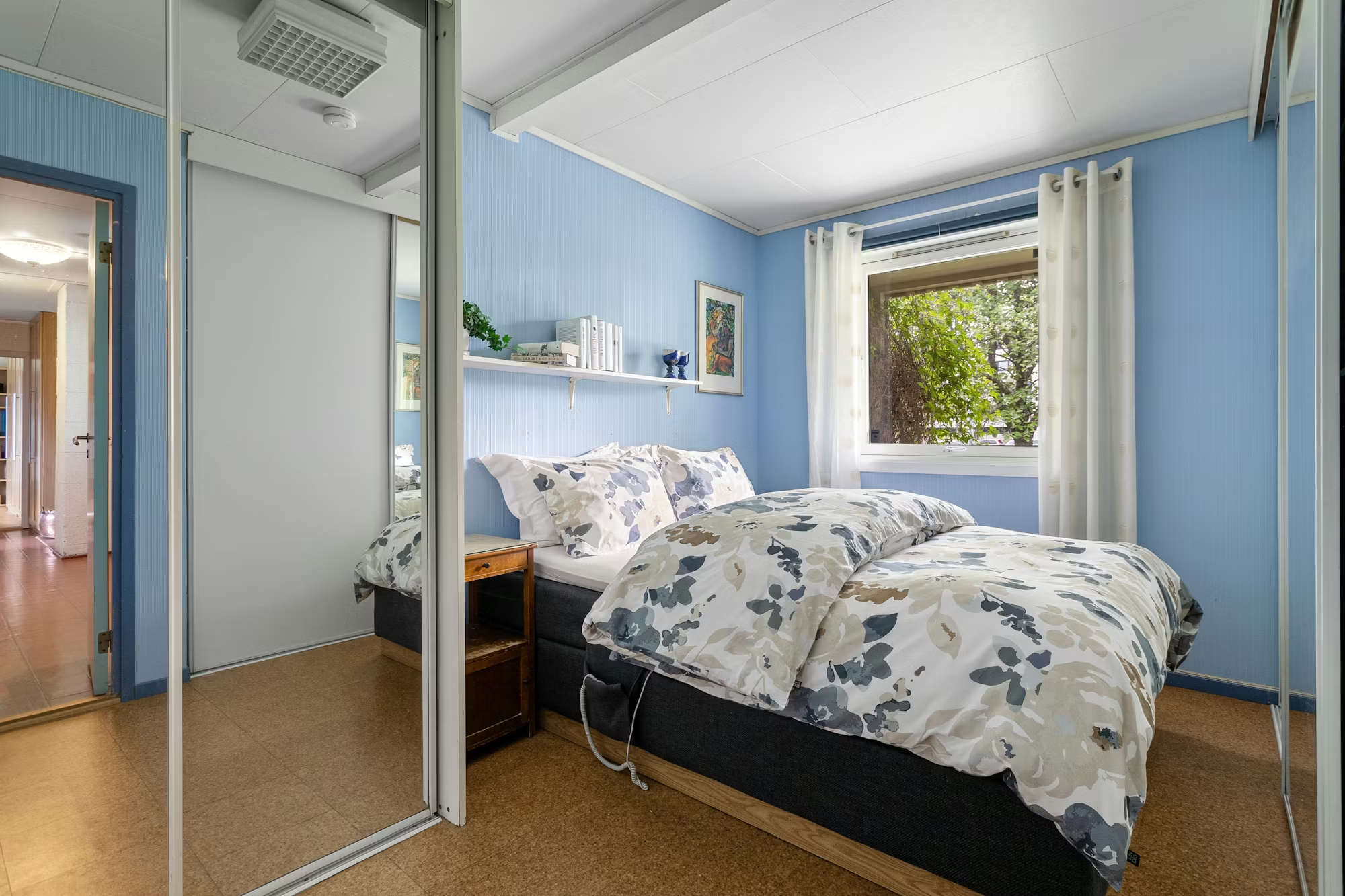
The bedroom is a personal retreat where comfort and tranquility are paramount. To create an inviting bedroom, start with the essentials: a quality mattress and soft, breathable bedding. The layout should promote relaxation, with nightstands within reach and ample space to move around.
Color choices can greatly impact mood, with soft, neutral tones often creating a calming effect. Adding personal touches, such as artwork or photos, can infuse the room with your personality. Consider the lighting carefully—soft bedside lamps create a warm ambiance, while blackout curtains can ensure a peaceful night’s sleep by blocking out early morning light. The bedroom should feel like a sanctuary, a space where you can unwind after a long day.
Bathroom: A Personal Oasis
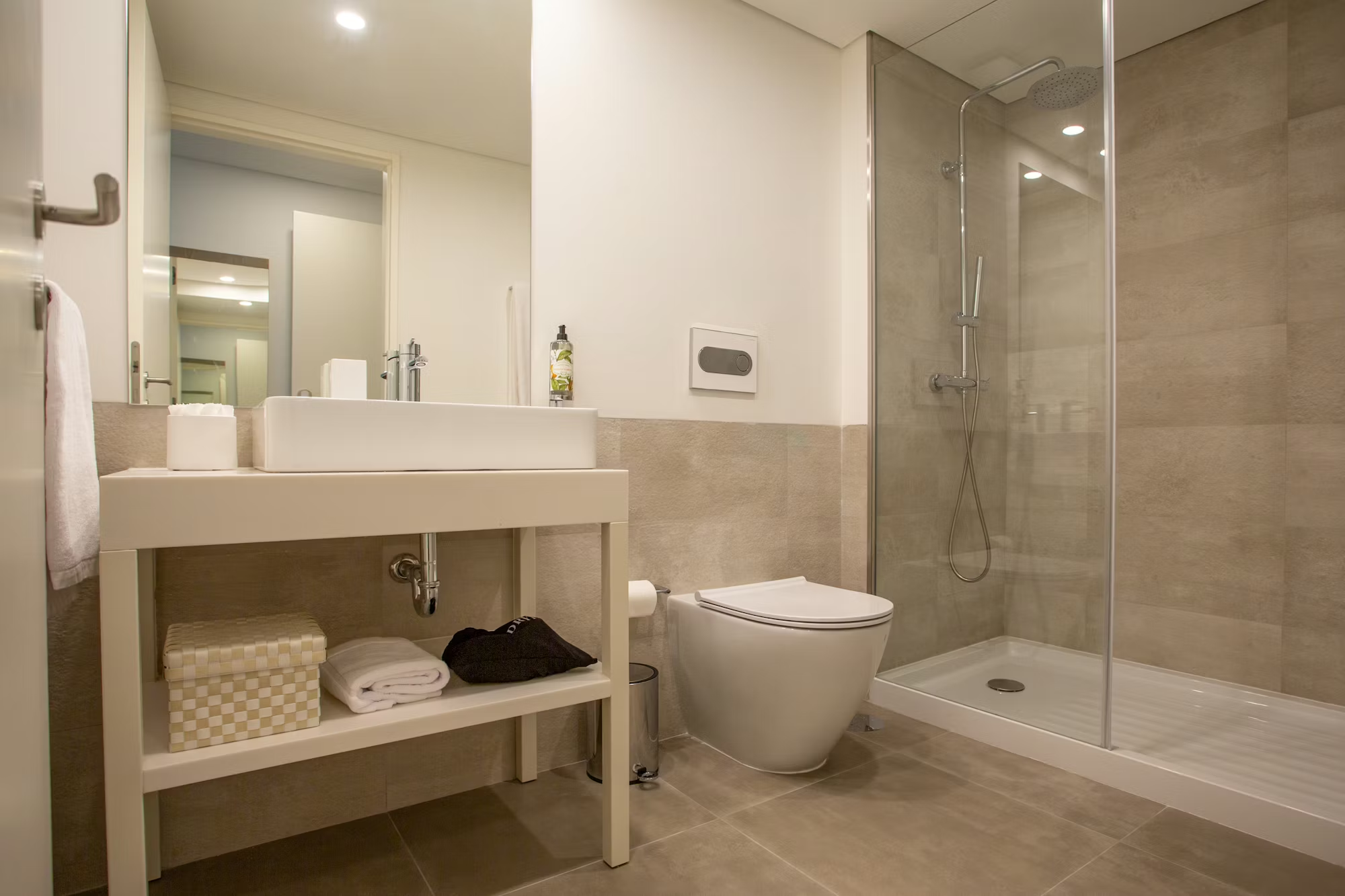
A well-designed bathroom can function as a personal oasis, providing a space for relaxation and self-care. Start by incorporating features that enhance comfort, such as a soaking tub or a spacious walk-in shower. High-quality fixtures, including faucets and showerheads, add a touch of luxury.
Storage is essential in a bathroom, allowing you to keep essentials organized and within reach. Consider built-in shelves or cabinets that complement the design. Natural materials, such as stone or wood, can enhance the spa-like atmosphere, while thoughtful lighting options create a serene environment. Incorporate elements like scented candles or soft towels to elevate the experience further.
Dining Room: Center of Connection
The dining room is a space dedicated to sharing meals and creating memories. When designing this room, consider the size of your family and how often you entertain guests. A sturdy dining table should be the centerpiece, chosen to accommodate your needs while complementing the room’s style.
Lighting plays a pivotal role in the dining room; a statement chandelier or pendant light above the table can create an inviting atmosphere. Personal touches, such as table settings and decorative centerpieces, can enhance the experience of dining together. Choose colors and decor that encourage conversation and warmth, fostering a sense of connection during meals.
Home Office: A Productive Sanctuary
With the rise of remote work, the home office has become increasingly essential. This space should be designed to promote productivity while being comfortable and inviting. Start by selecting a quiet area in your home that offers natural light, as it can boost focus and mood.
Ergonomic furniture is crucial for long hours of work. Invest in a comfortable chair and a desk that suits your style and needs. Incorporate organizational tools like shelves and filing cabinets to keep your workspace tidy. Personalizing the office with inspiring artwork or plants can create a stimulating environment that encourages creativity and focus.
Laundry Room: Making Chores Efficient
The laundry room is often seen as a utilitarian space, but with thoughtful design, it can become efficient and functional. Consider features like ample counter space for folding clothes and storage solutions for detergents and supplies. A well-organized laundry room can streamline the laundry process, making it less of a chore.
Incorporate practical elements such as a drying rack or a sink for pre-soaking items. Durable flooring is essential, as this area is likely to experience spills and heavy traffic. Adding a pop of color or cheerful decor can make the laundry room feel more inviting, transforming it into a space where chores can be tackled with ease.
Playroom: A Creative Haven for Kids
For families with children, a playroom is a fantastic addition that encourages creativity and exploration. This space should be designed with both fun and safety in mind. Bright colors and playful decor can stimulate imagination, creating an environment where children feel free to express themselves.
Furnish the playroom with various activity zones, including areas for reading, arts and crafts, and active play. Storage solutions like bins and shelves can help keep toys organized, teaching children the value of tidiness. Comfortable seating for parents can create a space for supervision and bonding, making the playroom a family-friendly area.
Media Room: Entertainment Space
In the modern home, a dedicated media room provides an excellent space for entertainment. This area should focus on comfort and immersion, featuring large screens or projectors and comfortable seating options like recliners or sectional sofas. A well-designed media room can create a cinematic experience, making it ideal for movie nights or gaming sessions.
Consider soundproofing the room to enhance the viewing experience and incorporate adjustable lighting to set the perfect mood. Personal touches, such as themed decor or memorabilia, can add character and make the media room feel like a unique retreat for entertainment.
Guest Room: Comfort for Visitors
A well-appointed guest room ensures that visitors feel welcomed and comfortable during their stay. Start with the essentials: a comfortable bed, quality linens, and ample storage for personal items. The decor should reflect warmth and hospitality, creating a space where guests can unwind.
Personal touches, such as fresh flowers, a welcome note, or local guidebooks, can enhance the guest experience. Soft lighting and neutral colors can make the room inviting, while thoughtful amenities—such as extra blankets or toiletries—demonstrate consideration and care for your guests’ needs.
Mudroom: The Practical Transition Space
The mudroom serves as the transition area between the outdoors and indoors, designed to keep your home organized and tidy. This space should include storage for shoes, coats, and outdoor gear. Consider incorporating benches for seating, hooks for hanging items, and cabinets for additional storage.
Durable materials, such as tile or vinyl flooring, are ideal for the mudroom, as they can withstand wear and tear. A well-organized mudroom creates a welcoming first impression while providing a functional space for everyday use, making it easier for family members to manage their belongings as they come and go.
Sunroom: A Bright Retreat
Finally, a sunroom adds charm to your home by providing a bright space filled with natural light. This room can serve various purposes, from a relaxation area to an indoor garden or a reading nook. Large windows or glass walls can create a seamless connection with the outdoors, making it an ideal spot for enjoying nature while indoors.
Furnish the sunroom with comfortable seating, and consider incorporating plants to enhance the serene environment. Decorative elements, such as cushions or light curtains, can make the space feel cozy and inviting. A well-designed sunroom allows you to enjoy the beauty of nature throughout the year, providing a tranquil escape from daily life.
Conclusion
Designing each room in your home is an opportunity to reflect your personal style while addressing functional needs. By thoughtfully considering the layout, decor, and elements of each space—whether it’s the living room, kitchen, bedroom, or sunroom—you can create an environment that fosters comfort, connection, and joy. As you embark on this design journey, remember that every room has the potential to enhance your daily life and tell your unique story.