The kitchen is often considered the heart of the home, a place where family and friends gather to cook, eat, and connect. Designing a kitchen that is both functional and visually appealing can enhance daily living and increase the overall value of your home. This article delves into essential design tips that will help you create your dream kitchen, catering to both style and practicality.
Understanding Your Kitchen Needs
Before diving into design, it’s crucial to assess your needs and preferences. Consider how you use your kitchen daily. Are you an avid cook who requires ample prep space? Do you host gatherings often, necessitating an open layout? Identifying your specific needs will guide your design choices, ensuring that your kitchen works for you.
Engage in a bit of soul-searching. Think about your cooking habits, storage requirements, and how you envision entertaining. Creating a list of priorities will help streamline your decision-making process as you begin to design your kitchen.
The Importance of Layout
The layout of your kitchen plays a pivotal role in its functionality. There are several popular kitchen layouts, each with its benefits. The most common designs include the U-shape, L-shape, galley, and island kitchens. Each layout offers unique advantages depending on the space available.
– U-shape kitchens provide extensive counter space and storage options, making them ideal for larger families or avid cooks. This layout creates a natural workflow, keeping everything within reach.
– L-shape kitchens are versatile and can fit into smaller spaces, providing a cozy cooking area while still allowing for dining or entertaining.
– Galley kitchens are efficient and often used in apartments or smaller homes. They offer a streamlined approach with two parallel counters, making cooking and cleanup efficient.
– Island kitchens not only provide extra prep space but can also serve as a dining area or a social hub during gatherings, making them a popular choice for modern homes.
When choosing your layout, consider how the flow of the kitchen will function. The kitchen work triangle, which connects the sink, stove, and refrigerator, is a classic design principle that helps create an efficient workspace. Aim to minimize unnecessary steps while cooking to enhance your experience.
Choosing the Right Materials
Selecting the right materials for your kitchen is essential for both aesthetics and durability. The materials you choose can significantly impact the overall look and feel of the space. Consider options that align with your style and are suitable for everyday use.
– Countertops: Popular choices include granite, quartz, and butcher block. Granite offers durability and elegance, while quartz is low-maintenance and comes in various colors. Butcher block provides a warm, inviting feel but requires regular maintenance.
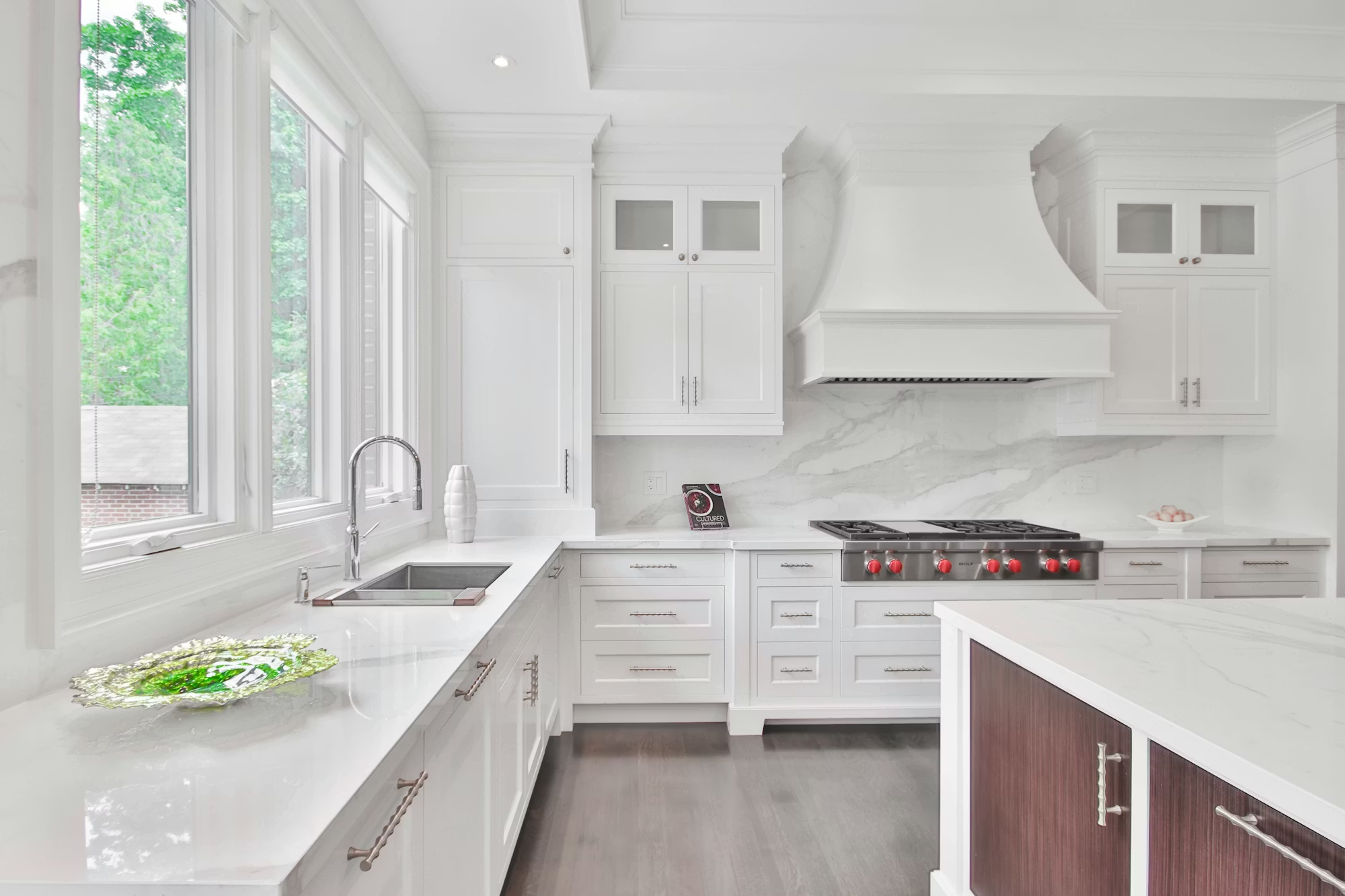
– Cabinetry: Choose cabinetry that complements your kitchen’s style. Shaker-style cabinets are timeless, while sleek, flat-panel options offer a modern look. Consider the finish as well; lighter colors can make a small space feel larger, while darker hues can add warmth and richness.
– Flooring: Durable flooring is key in a kitchen. Hardwood offers warmth and character, while tile and vinyl are practical options that come in various styles. Ensure your choice is easy to clean and resistant to wear.
Mix and match materials thoughtfully to create a cohesive look. For instance, pairing wooden cabinets with a sleek quartz countertop can balance warmth with modernity.
Color Schemes: Setting the Mood
Color plays a significant role in kitchen design, influencing the overall ambiance. When selecting a color scheme, consider how the colors will interact with natural light and the size of the space. Light colors can make a small kitchen feel more spacious, while darker tones can add depth and warmth.
A popular choice is to create a neutral palette with pops of color. For instance, white or gray cabinets can be complemented by vibrant backsplashes or colorful kitchenware. Alternatively, a monochromatic scheme can create a sleek, modern aesthetic. Whatever your preference, ensure the colors you choose reflect your personal style and create a welcoming environment.
Maximizing Storage Solutions
Effective storage is essential in any kitchen, especially when space is limited. Creative storage solutions can help you make the most of your kitchen layout while keeping everything organized and accessible.
– Cabinet Organizers: Utilize pull-out shelves, lazy Susans, and drawer dividers to maximize cabinet space. These features help keep items organized and easy to find.
– Vertical Storage: Consider using wall-mounted shelves or pegboards to store pots, pans, and utensils. This not only saves space but can also add a decorative element to your kitchen.
– Hidden Storage: Incorporate features like toe-kick drawers or pull-out pantry shelves to maximize storage without taking up additional space. Every inch counts in a kitchen, so find creative ways to utilize nooks and crannies.
Lighting: Brightening Your Space
Proper lighting is essential in a kitchen, affecting both functionality and ambiance. A well-lit kitchen allows for safe cooking and creates a welcoming atmosphere for gatherings. Incorporate multiple lighting sources to achieve the best results.
– Task Lighting: Install under-cabinet lighting to illuminate countertops, making food prep easier. Pendant lights over islands or dining areas can also serve as both functional and decorative elements.
– Ambient Lighting: Use ceiling fixtures or recessed lighting to provide general illumination throughout the space. Dimmers can help you adjust the light levels for different occasions, from bright cooking light to soft evening ambiance.
– Accent Lighting: Highlight architectural features or decor with accent lighting. This could include showcasing artwork or unique cabinetry with focused light.
Appliances: Balancing Style and Function
When it comes to appliances, choosing the right ones can enhance your kitchen’s efficiency while contributing to its overall aesthetic. Consider both functionality and style when selecting appliances that fit seamlessly into your design.
– Stainless Steel: This classic finish works well in most kitchen styles and is durable and easy to clean. It also complements a range of colors and materials.
– Integrated Appliances: These appliances blend into cabinetry, providing a streamlined look that enhances a modern design aesthetic. Built-in refrigerators and dishwashers can create a cohesive appearance while maximizing space.
– Smart Appliances: Technology is increasingly becoming a part of kitchen design. Consider incorporating smart appliances that can enhance your cooking experience and offer convenience.
Investing in quality appliances that meet your needs will pay off in the long run, providing both function and style in your kitchen.
Creating a Functional Workflow
The ultimate goal of kitchen design is to create a functional workflow that supports daily tasks. Consider how you move through the space and how each area serves its purpose. A well-planned kitchen allows for easy transitions between cooking, cleaning, and dining.
Incorporate a designated prep area near the sink and stove to streamline meal preparation. Ensure the layout promotes ease of movement, allowing multiple people to navigate the space without feeling cramped. If entertaining is a priority, consider an open layout that encourages interaction between the kitchen and dining areas.
Personal Touches: Infusing Your Style
Finally, don’t forget to infuse your personal style into your kitchen design. This space should reflect who you are and how you live. Incorporate unique elements that resonate with your tastes, whether it’s through artwork, decorative items, or personalized kitchenware.
A few carefully selected pieces, such as vintage dishes or handmade ceramics, can add character and warmth to your kitchen. Consider displaying cookbooks, plants, or cherished kitchen tools that inspire you in your culinary adventures.
Conclusion
Creating your dream kitchen involves thoughtful planning and consideration of both aesthetics and functionality. By understanding your needs, choosing the right materials, and maximizing storage solutions, you can design a space that is not only beautiful but also serves your lifestyle. Remember the importance of layout, lighting, and personal touches to make your kitchen truly your own. Whether you’re cooking for family or entertaining friends, a well-designed kitchen will enhance your experience and elevate the heart of your home.